
Quase três horas. Foi esse o tempo que meus filhos e eu passamos, outro dia, sentados à mesa da cozinha. Espalhamos centenas de figurinhas, colamos as novas, organizamos as repetidas e conversamos sobre jogadores, seleções, campeonatos e países. No final da noite, o álbum estava um pouco mais cheio. Mas o que realmente construímos foi algo muito maior do que uma coleção de figurinhas. É por isso que, para mim, a Copa do Mundo nunca foi apenas sobre futebol.
Comprei o álbum para os meus dois filhos porque ele faz parte das minhas lembranças de infância. Cresci vivendo a emoção de abrir um pacotinho sem saber qual figurinha viria. Décadas depois, descobri que a magia continua exatamente a mesma — só que agora vista pelos olhos deles.
Em uma época em que celulares, redes sociais e videogames disputam a atenção de todos, a Copa nos oferece um presente raro: tempo de qualidade. Enquanto colamos figurinhas, conversamos sobre os jogadores, os clubes onde atuam, as diferentes seleções e fazemos nossos palpites para os próximos jogos. Sem perceber, criamos memórias que ficarão conosco muito depois da final.
O futebol também encontrou uma forma curiosa de ensinar geografia. Desde a Copa de 2022, meus filhos passaram a conhecer países que eu mesma mal sabia localizar no mapa. Hoje identificam capitais, reconhecem bandeiras e falam com naturalidade sobre lugares que descobriram graças ao esporte. A curiosidade nasceu da bola, mas acabou abrindo uma janela para o mundo.
A Copa também aproxima pessoas. Nas últimas semanas, temos nos reunido com amigos para assistir aos jogos. No trabalho, participei de um bolão para prever os resultados da primeira fase. Criamos até um grupo no WhatsApp para comentar cada partida, comemorar zebras, brincar com os palpites errados e compartilhar aquela emoção que só quem acompanha uma Copa entende.
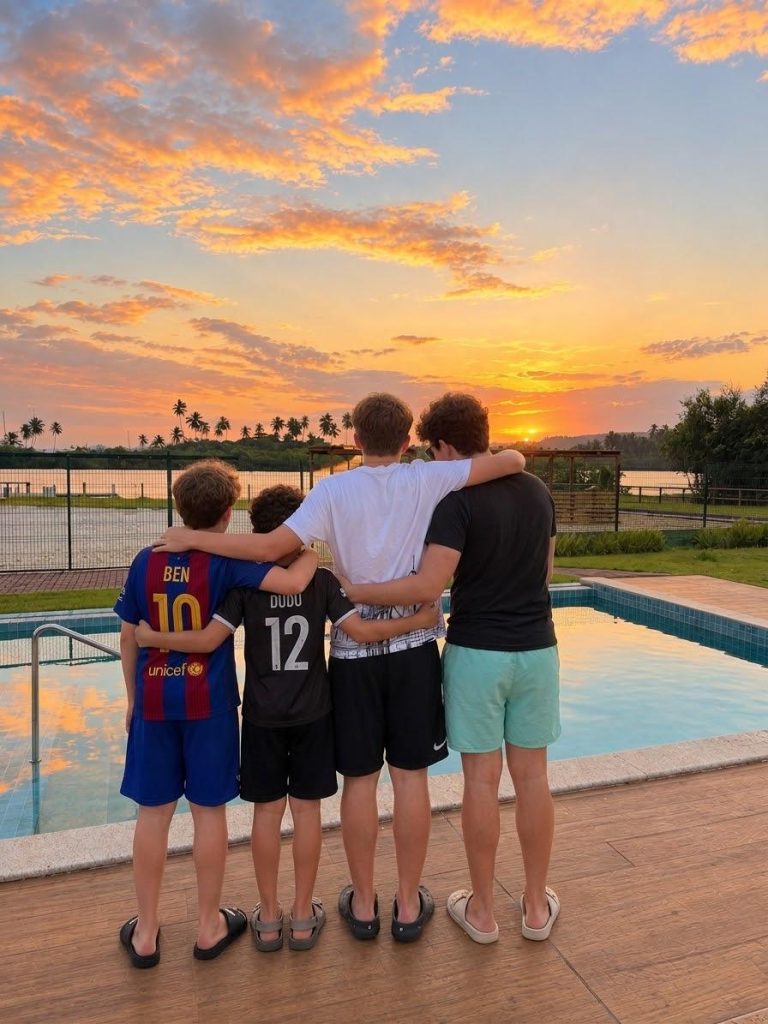
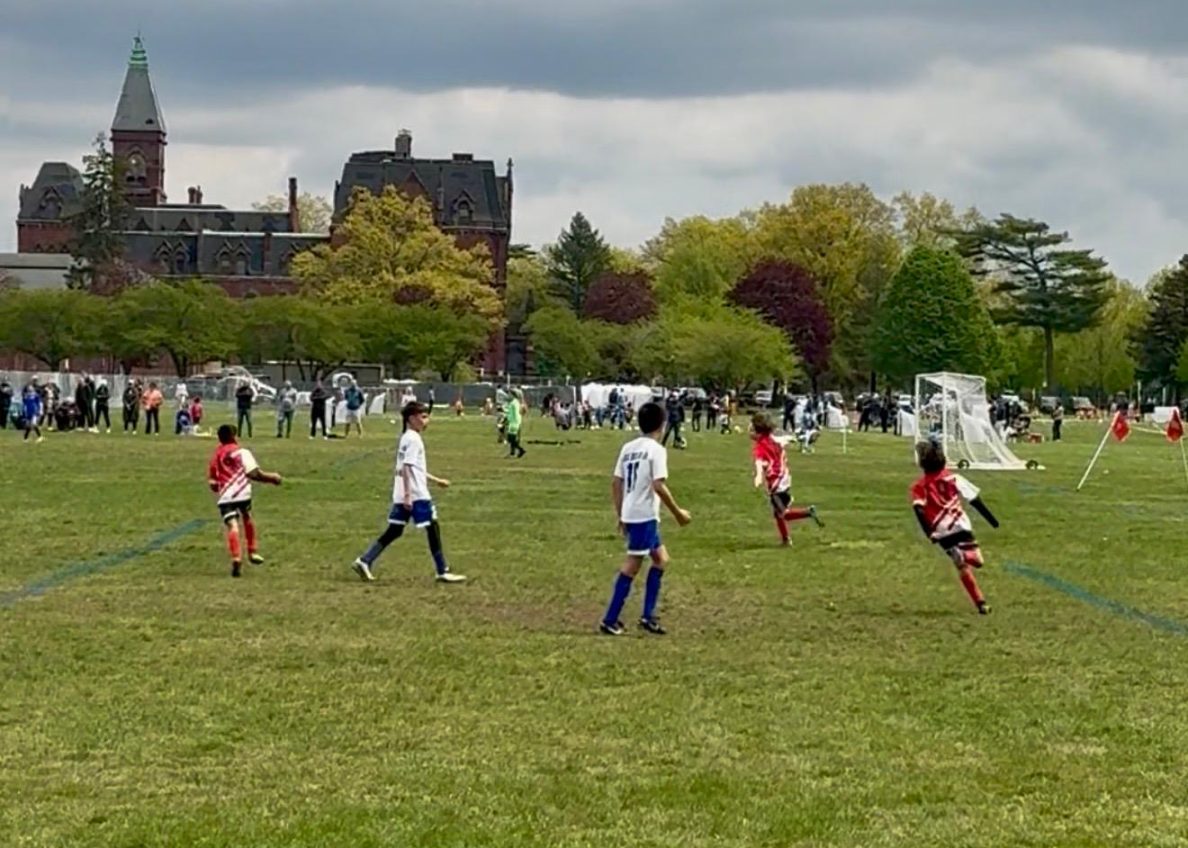
Mas talvez o maior ensinamento seja outro. Há quatro anos, meus filhos jogam em um travel soccer team aqui em Nova York. Eles adoram competir, treinar e evoluir. Mas o futebol lhes ensinou algo que vai além da técnica: a empatia. Recentemente, comemoraram emocionados quando Cabo Verde avançou pela primeira vez para a fase seguinte da competição. Também vibraram quando o Equador venceu a Alemanha, uma das seleções mais fortes. Eles têm seus favoritos, é claro, mas aprenderam a torcer também pelas histórias improváveis. Descobriram que nem toda vitória precisa terminar com uma taça. Às vezes, vencer é simplesmente superar expectativas.
Talvez esse seja o verdadeiro legado da Copa. Ela une famílias ao redor da mesa, aproxima amigos diante da televisão, desperta curiosidade sobre o mundo e ensina que grandes histórias também pertencem aos pequenos.
Daqui a alguns dias, o álbum estará completo. O campeão ficará para a história. Mas o que meus filhos provavelmente levarão para a vida não serão apenas os gols ou o resultado da final. Serão aquelas quase três horas sentados à mesa, compartilhando figurinhas, risadas e conversas. E, sinceramente, acho que esse sempre será o maior troféu que o futebol pode nos dar.
(English)
The World Cup we experience at home
Almost three hours. That’s how long my sons and I spent sitting around the kitchen table the other night. We spread hundreds of stickers across the table, added the new ones to our albums, sorted the duplicates, and talked about players, national teams, clubs, and countries. By the end of the evening, the album was a little fuller. But what we had really built was something much more meaningful than a sticker collection. That’s why, to me, the World Cup has never been just about soccer.
I bought the official sticker albums for my two boys because they remind me of my own childhood. I still remember the excitement of opening each pack, never knowing which player would be inside. Decades later, I realized that the magic hasn’t changed—I’m simply experiencing it through their eyes.
At a time when phones, social media, and video games compete for everyone’s attention, the World Cup gives us something increasingly rare: uninterrupted time together. As we place stickers into the album, we talk about players, clubs, national teams, and make predictions for upcoming matches. Without realizing it, we’re creating memories that will outlast the tournament itself.
Soccer has also become an unexpected geography teacher. Since the 2022 World Cup, my boys have become fascinated by countries I barely knew existed. Today they know capitals, recognize flags from around the world, and can tell stories about places they first discovered through soccer. Their curiosity started with the game but quickly expanded into a genuine interest in the world.
The World Cup also has a remarkable way of bringing people together. Over the past few weeks, we’ve gathered with friends to watch matches. At work, I joined a World Cup prediction pool, and we even created a WhatsApp group where we celebrate upsets, laugh at our wrong predictions, and relive every exciting moment together.
Yet perhaps the greatest lesson has nothing to do with winning. For four years my sons have been playing on a travel soccer team here in New York. They love training, competing, and improving. But soccer has taught them something even more valuable: empathy. Recently, they celebrated Cape Verde advancing beyond the group stage for the first time as enthusiastically as if it had been their own team. They were equally thrilled when Ecuador defeated Germany. Of course, they have favorite teams, but they’ve also learned to cheer for the underdogs. They’ve discovered that sometimes victory isn’t about lifting the trophy—it’s about making history.
Maybe that’s the World Cup’s greatest legacy. It brings families around the table, friends together in front of the television, inspires curiosity about the world, and reminds us that some of the greatest stories belong to those no one expected to succeed.
Days from now, the sticker album will be complete. A champion will have been crowned. But what my children will remember most won’t simply be the goals or the final score. It will be those almost three hours around the kitchen table, sharing stickers, laughter, and conversations. And I believe that will always be the greatest trophy soccer can ever give us.