
Ser mãe é aprender a viver com uma pergunta silenciosa que nos acompanha todos os dias: “E se?” E se algo acontecer quando eu não estiver perto? E se o inesperado chegar sem aviso?
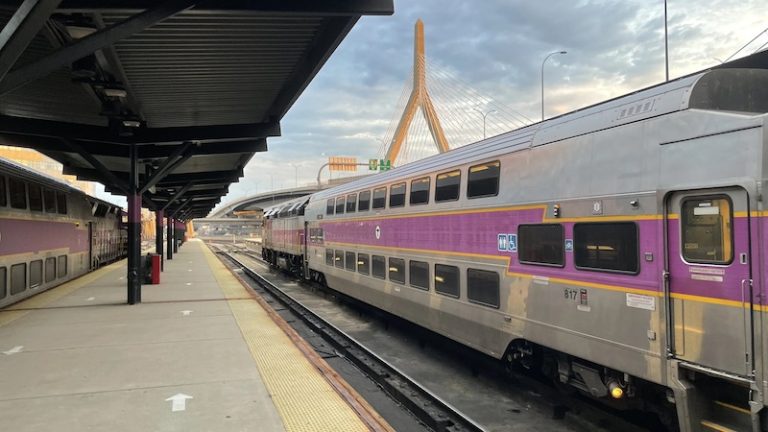
Essa pergunta não nasce do medo, mas do amor. E, principalmente, da experiência. Quem vive nos Estados Unidos há tempo suficiente se lembra do 11 de setembro. Não apenas das imagens que o mundo inteiro viu, mas do que veio depois: telefones que não funcionavam, transporte público interrompido, pessoas tentando se reencontrar sem saber como. Para muitas famílias, o desafio não foi só entender o que estava acontecendo, mas como voltar para casa.
Desde então, preparar-se para emergências passou a fazer parte da vida cotidiana por aqui. As cidades orientam. As escolas ensinam. As crianças participam de treinamentos frequentes — incêndio, evacuação, situações de risco. Não porque algo vá acontecer, mas porque saber o que fazer traz calma. E isso não é exclusividade dos Estados Unidos. Recentemente, o próprio governo da Groenlândia alertou sua população sobre a necessidade de estar preparada para uma possível evacuação, diante de tensões geopolíticas e do risco de uma eventual invasão por parte dos EUA. Um aviso oficial, preventivo, feito não para espalhar pânico, mas para garantir que, se algo acontecer, as pessoas saibam como agir.
Preparar não é sinal de histeria. É sinal de responsabilidade. Em casa, essas conversas sempre existiram. De forma simples, adequada à idade, sem dramatização. Combinamos que, se um dia os telefones não funcionarem ou o transporte parar, casa é o nosso ponto de encontro. Sempre foi. E, se por algum motivo eles não se sentirem seguros para ir direto para casa, existe um segundo ponto: a escola onde fizeram o ensino primário. Um prédio preparado para servir de abrigo em caso de furacões ou terremotos. Um lugar conhecido, seguro e familiar. Esses planos nunca foram apresentados como algo assustador. Pelo contrário. São conversas que trazem segurança, porque dão às crianças a sensação de que existe um caminho, uma orientação, alguém pensando por elas mesmo quando não está por perto.
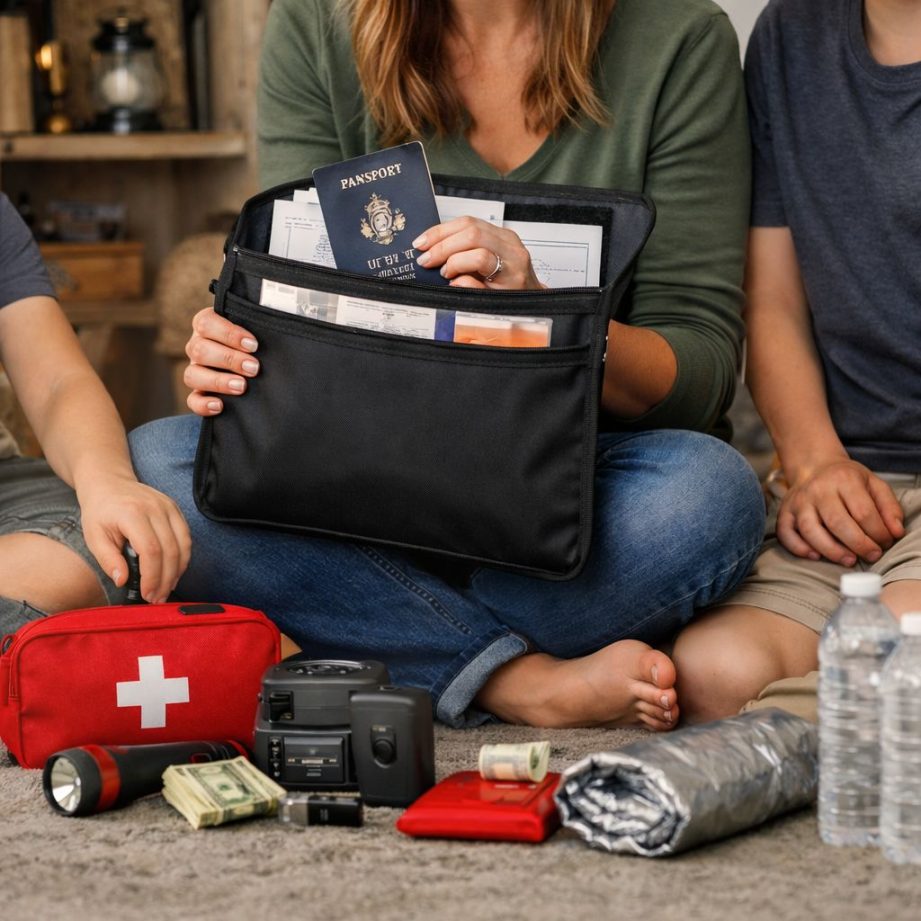
Nos últimos tempos, com tudo o que vem acontecendo no mundo — e nos Estados Unidos — senti que era hora de transformar esse cuidado emocional também em algo prático. Nada extremo. Nada fora da realidade daqui. Comprei porta documentos resistentes à água e ao fogo. Algo que eu já pensava em fazer há anos, especialmente vivendo em um país onde casas são majoritariamente construídas com paredes de gesso acartonados e incêndios não são algo tão distante da nossa rotina. Aproveitei para organizar documentos importantes, escanear passaportes e guardar cópias digitais também nos celulares das crianças. Não por paranoia. Mas por responsabilidade.
Vivemos em um país onde a documentação faz parte da vida cotidiana. Ter acesso rápido a ela, em qualquer circunstância, é simplesmente uma forma de garantir continuidade, segurança e tranquilidade. Também separei uma pequena quantia em dinheiro. Não para “fugir”, mas para o básico — exatamente como tantas orientações oficiais recomendam em planos familiares de emergência. Nada disso muda a nossa rotina. As crianças continuam indo à escola, praticando esportes, rindo, vivendo a infância como deve ser. A diferença é que elas sabem que, se algo inesperado acontecer, existe um plano. E planos, ao contrário do medo, libertam.
Ser mãe é isso: pensar no que ninguém quer pensar, para que os filhos não precisem se preocupar. É fazer escolhas silenciosas que talvez nunca sejam usadas — e torcer para que nunca sejam. Mas, se forem, estarão ali. Preparar não é viver esperando o pior. É permitir que a vida siga leve, porque alguém cuidou dos detalhes. E, no fim das contas, talvez isso também faça parte do que torna tudo isso — apesar de tudo — it is fun to be a mom.
(English)
Preparing isn’t fear. It’s care.
Being a mother is learning to live with a silent question that follows us every day: “What if?”
What if something happens when I’m not nearby? What if the unexpected arrives without warning?
That question isn’t born out of fear, but out of love. And, above all, out of experience. Anyone who has lived in the United States long enough remembers September 11. Not only the images the whole world saw, but what came afterward: phones that didn’t work, public transportation shut down, people trying to find each other without knowing how. For many families, the challenge wasn’t just understanding what was happening, but figuring out how to get back home.
Since then, preparing for emergencies has become part of everyday life here. Cities provide guidance. Schools teach it. Children regularly participate in drills — fire, evacuation, risk situations. Not because something will happen, but because knowing what to do brings calm. And this isn’t unique to the United States. Recently, the government of Greenland itself warned its population about the need to be prepared for a possible evacuation, in light of geopolitical tensions and the risk of a potential invasion by the U.S. An official, preventive notice — not meant to spread panic, but to ensure that if something happens, people know how to act.
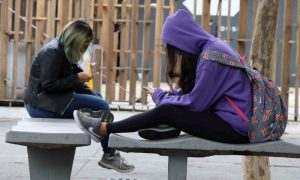
Preparing is not a sign of hysteria. It’s a sign of responsibility. At home, these conversations have always existed. In a simple way, appropriate for their age, without dramatization. We’ve agreed that if one day phones stop working or transportation comes to a halt, home is our meeting point. It always has been. And if, for some reason, they don’t feel safe going straight home, there’s a second point: the elementary school they attended. A building designed to serve as a shelter in case of hurricanes or earthquakes. A familiar, safe place. These plans were never presented as something frightening. Quite the opposite. They are conversations that bring security, because they give children the sense that there is a path, a direction, someone thinking about them even when they’re not nearby.
In recent times, with everything that’s been happening in the world — and in the United States — I felt it was time to turn that emotional care into something practical as well. Nothing extreme. Nothing unrealistic for life here. I bought document holders that are resistant to water and fire. Something I had been meaning to do for years, especially living in a country where houses are mostly built with drywall and fires are not so far removed from our daily reality. I took the opportunity to organize important documents, scan passports, and store digital copies on the children’s phones as well. Not out of paranoia, but out of responsibility.
We live in a country where documentation is part of everyday life. Having quick access to it, under any circumstances, is simply a way to ensure continuity, safety, and peace of mind. I also set aside a small amount of cash — not to “run away,” but for the basics, exactly as so many official family emergency plans recommend. None of this changes our routine. The kids still go to school, play sports, laugh, and live childhood the way it should be lived. The difference is that they know that if something unexpected happens, there is a plan. And plans, unlike fear, set us free.
Being a mother is this: thinking about what no one wants to think about, so children don’t have to worry. Making quiet choices that may never be used — and hoping they never are. But if they are, they’ll be there. Preparing is not living in expectation of the worst. It’s allowing life to stay light, because someone took care of the details. And in the end, maybe that’s also part of what makes all of this — despite everything — it is fun to be a mom.